News
What Does England’s 2025 Drought Mean For Water Supplies?
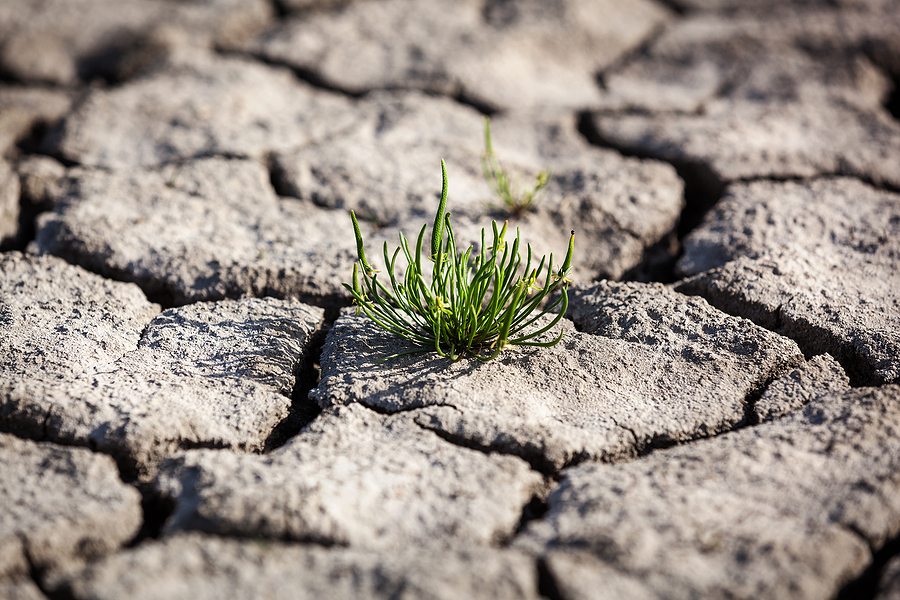
Although many people may not have realised the severity of the drought England experienced in 2025, the fact is that it was classed as “significant” by the Environment Agency.
In its analysis of what happened last year to lead to such a prolonged dry spell, the Environment Agency noted that extreme weather patterns were a factor. The drought had far-reaching impacts, which some people may not have been fully aware of.
For example, by the end of the summer almost nine million people were covered by a hosepipe ban, while 20 per cent of the country’s canal network had to be closed due to a lack of water.
What caused the drought conditions of 2025?
One of the elements that is perhaps most interesting about last year’s drought is how wet the winter of 2024/25 was. In fact, the 18 months to December 2024 were the wettest ever recorded in England.
However, by mid-February the weather had become much drier. The predominantly dry weather continued until the end of August in most parts, coupled with heatwaves, which put a significant amount of pressure on water supplies around the country.
The summer of 2025 was the hottest on record, while England experienced its driest spring in over 100 years. All of this highlights how quickly prolonged dry conditions can impact our water supplies, even after a long period of wet weather.
How is 2026 shaping up?
As most people have noticed, particularly those in southern regions of England, this winter has so far been particularly wet. Some parts of the UK have recorded their wettest Januarys on record.
According to Met Office data, by the end of the first week of February, the UK had already received 89 per cent of its average winter rainfall. England has even exceeded this, hitting 111 per cent of its average rainfall for this time of year.
You might think that this is good news given that we were in drought for a large proportion of 2025. However, this prolonged winter rainfall is no guarantee that we’ll avoid the same fate this summer. After all, the drought in 2025 followed the wettest 18 months on record.
While many parts of England are now in drought recovery, that doesn’t mean we’ll have enough water to sustain us if we experience another long, hot summer.
For instance, in December Anglian Water warned that despite seeing more rain in the east of England, the groundwater supplies were still very low. This is because it takes time for such water stores to replenish.
What’s more, when the ground is exceptionally dry, it prevents rain from reaching the much deeper groundwater stores. This means that just because it’s raining, that doesn’t mean all of the water is going where it needs to be.
What can businesses do to help improve their water security?
It’s clear from England’s experience in 2025 that we all need to do more to support our water system and ensure continuity of supply. For businesses, this is vital to continue their operations.
One step that you can take is to explore rainwater harvesting as an option for your company. When coupled with the right system, this is a great way to take advantage of the current wet weather to future-proof your business’ water supply for the summer ahead.
When rainwater is collected and filtered correctly, it can be used in place of mains water for activities like washing vehicles, flushing toilets and even laundry.
What are the benefits of rainwater harvesting?
This has multiple benefits for your business, especially if you need a reliable water supply for your activities. First, it will lower your water bills as you will be taking less from your water supplier. This also benefits everyone else, because you’re not competing for scarce water resources during a drought.
Second, installing a rainwater harvesting system can also be tied in with efforts to recycle more water on your premises. This further reduces your water use from a mains supplier, while also ensuring you are using resources responsibly.
Third, rainwater harvesting can boost your resilience as an organisation by giving you a guaranteed water supply to draw on. With proper planning, you can ensure you have enough to see you through the summer, even if it’s dry.
Finally, it is the right way to approach running a business in the 21st century, where water scarcity is likely to become a serious issue in the UK.
By getting set up now, you can stay ahead of the curve and explore future options to build on the likes of rainwater harvesting systems.