News
What Can Businesses Do To Improve Water Quality?
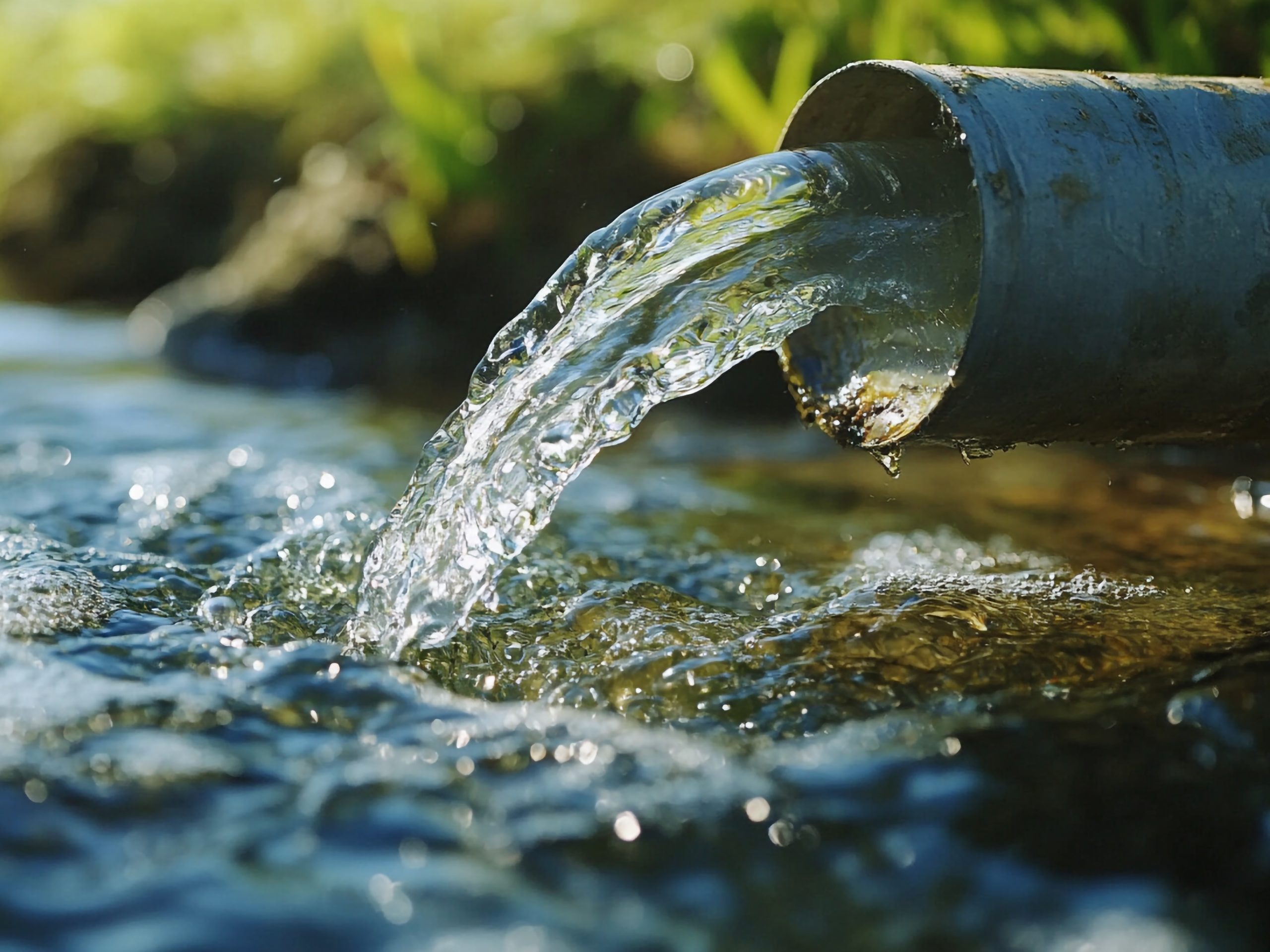
Although water underpins every aspect of life in the 21st century, it remains one of the least discussed aspects of the climate crisis, even now. And when the topic is discussed, much of the focus is placed on water quantity… but it’s just as important to put water quality centre stage, as well.
In the UK, the issue of water quality has been increasingly coming to the fore over the last few years or so, with no single stretch of river in either England or Northern Ireland currently in good overall health.
Figures from the Rivers Trust show that just 15 percent of English rivers actually reach good ecological health standards, with pollution from a range of sources remaining in the natural environment for decades, causing all sorts of problems for waterways, ecosystems and biodiversity.
What is causing river pollution?
As mentioned, water quality is at risk because of diffuse pollution that spreads across the landscape from multiple sources, including:
Agricultural runoff
Here, water pollution is caused when fertilisers, pesticides and animal waste are washed into rivers and lakes. Chemicals can persist in water and cause harm to wildlife, while animal waste can carry pathogens and parasites.
Polluted water can also seep through the soil and transport pollutants into groundwater sources.
Sewage discharges
Discharge of untreated sewage, whether that’s accidentally, because of water supplier negligence or through the permitted use of combined sewer overflows to reduce flooding risks during periods of intense rainfall, can cause serious water pollution.
Nutrient overload can cause algal blooms, the amount of oxygen in water sources is reduced (killing aquatic life) and harmful bacteria and viruses can enter waterways, putting human health at risk.
Sewage can also transport other pollutants like forever chemicals, heavy metals and microplastics into the water environment.
Industrial waste
The use of chemical and toxic substances by industry impacts river health, harming aquatic life, destroying habitats by creating dead zones that don’t have enough oxygen to support fish, degrading drinking water quality and putting human health at risk.
Issues here include poor waste management, insufficient monitoring and regulatory gaps that don’t prevent excessive pollution.
Urban runoff
Water pollution can also be caused by urban environments, with rain washing pollutants from streets, roads, carparks and building roofs into waterways.
Domestic and commercial sources of wastewater can also impact water quality, with improper disposal of items like fats, oils and wet wipes leading to blockages and sewer overflows.
Just how bad is the UK’s water quality?
The latest UK WaterBlitz report from Earthwatch surveyed 3,430 freshwater sites, revealing:
- 60 per cent of data points have poor water quality, with unacceptable levels of nutrient pollution.
- England has been found to have the worst water quality over four reports thus far, with 66 per cent of sites tested this autumn demonstrating unacceptable pollution levels.
- The Thames river basin district has the worst water quality, with 81 per cent of measurements revealing unacceptable nutrient pollution levels, despite the Thames Tideway Tunnel launching in February.
- Of 20 chemicals assessed, 12 presented at concentrations that would pose risks to aquatic life.
Ofwat’s latest Water Company Performance Report 2024-2025, published at the end of October, revealed a mixed bag of progress:
- Drinking water quality remains exceptionally high, with average compliance rates peaking at 99.97 per cent.
- The majority of suppliers improved the number of internal sewer flooding incidents, with two firms reducing cases by 70 per cent or more.
- Suppliers committed to reducing pollution incidents by 30 per cent between 2020 and 2025. In the first three years, a reduction of 15 per cent was seen but a hike in the final two years resulted in an overall 27 per cent increase in incidents.
The Environment Agency’s latest Environmental Performance Assessment (EPA) for 2024 revealed the lowest ratings for water companies since the process began back in 2011:
- The EPA report compares environmental performance across the sector, rating each supplier in England from 1 star to 4 stars, highlighting where improvement in performance is required.
- In 2024, water suppliers collectively achieved 19 stars out of a possible 36, down from the 25 achieved in 2023.
- Serious incidents causing significant environmental harm have risen by 60 per cent compared to 2023.
Environment Agency figures show that bathing water quality has improved slightly:
- Of the 449 sites regularly tested this summer, 93 per cent met minimum standards for bacteria levels in the water, linked to sewage spills, agricultural runoff and other factors, up from the 92 per cent seen in 2024.
- 32 sites were rated poor, down from the 37 classified as such last year.
What are water suppliers doing to tackle water quality concerns?
Unfortunately, it seems that water companies are a big part of the water quality problem.
Last year, water suppliers discharged untreated sewage into rivers and seas for 3.614 hours, with sewage spills more than doubling in 2023, Environment Agency figures show.
Serious pollution incidents were also seen to increase by 60 per cent in 2024 compared to the previous 12 months, with three water companies responsible for 81 per cent of these… Thames Water (33 cases), Southern Water (15 cases) and Yorkshire Water (13 cases).
This is down, in large part, to ageing infrastructure around the UK (much of which can be dated back to the Victorian era), lack of investment in essential upgrades and an increase in dry spilling incidents, where sewage is released into the environment during dry weather – which is illegal and in violation of environmental permits.
Key Ofwat action
Industry regulator Ofwat recently published its 2024 price review final determinations, setting out a quadrupling of new investment in the water sector between 2025 and 2030.
The aim is to ensure that water suppliers have the funding they need to deliver cleaner waterways, shore up supplies for future generations and transform operational performance across the board.
To this end, the sector should invest £24 billion to reduce pollution and the harm caused by storm overflow use, which will improve river water quality and increase biodiversity.
Ofwat expects that water companies should show initiative and work with environmental stakeholders to focus on nature-based solutions to achieve its goals.
By the end of this year, sewage spills should be reduced by almost a quarter, without having to source additional funding from customers.
And a £12 billion programme will see storage increased across the network, the monitoring of sites expanded and green schemes like natural drainage solutions delivered.
Ofwat wants to see at least 45 percent fewer spills between 2021 and 2029, compared to the 41 percent proposed by suppliers. It also expects zero pollution incidents to be caused by companies, with action enforced for any found to be in breach of their legal obligations.
Elsewhere, a £6 billion programme is being supported by Ofwat to reduce nutrient pollution to improve river health and remove the likes of phosphorus and nitrogen.
Treatment works will be upgraded so that nutrients can be removed from wastewater and collaboration with farmers will help promote sustainable farming practices.
What can businesses do to improve water quality?
When laid out in such stark terms, the water quality crisis might well sound overwhelming – but knowledge is power, so they say, and the good news is that there’s a lot of action that businesses can take to make a significant difference, improving their water stewardship and protecting the environment.
Measures to consider include:
- Preventing pollution at source
- Redesigning production processes can mean that less toxic materials are used during manufacturing and fewer chemicals/pollutants enter the environment.
- Using closed-loop systems for water recycling in production processes means that water is reused, rather than discharged.
- Prioritising appropriate disposal of hazardous waste will prevent chemical runoff.
Onsite wastewater treatment
- If possible, onsite sewage treatment facilities and systems can be used to treat wastewater before returning it to the environment.
- Nature-based solutions represent an excellent opportunity for businesses both big and small, including the likes of swales, rain gardens and constructed wetlands.
Water conservation
- A water audit of your site will show you how and where you’re using water, so you can identify the best opportunities for efficient conservation.
- Improve process efficiency for procedures and processes to reduce the amount of water being used and treated.
- Invest in rainwater harvesting systems, where water that falls on the roofs of buildings is collected for use in place of mains water for applications like irrigation and toilet flushing.
- Install automated meter reading technology to monitor water use and track it over time, identifying spikes in usage that may indicate an issue, such as water leaks.
Get in touch!
If, as a business, you’d like to find out more about how to save water and reduce your impact on the environment, get in touch with the H2O Building Services team today.