News
River Health In The UK: How Innovation Can Reduce Pollution
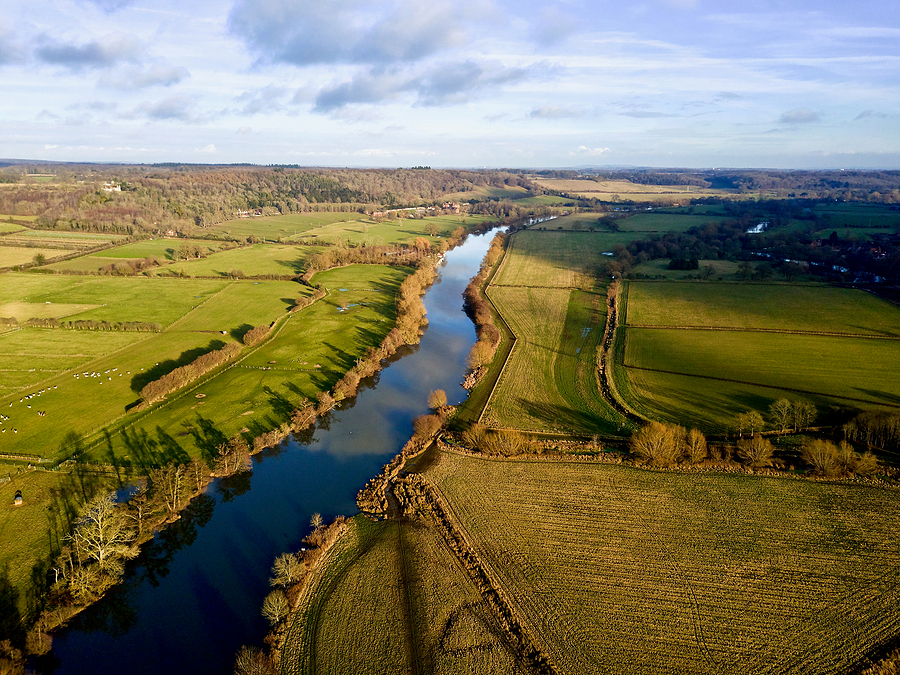
River health has become one of the most important environmental issues in the UK. Concerns around pollution, wastewater discharges, agricultural runoff, water scarcity and ageing infrastructure have pushed rivers firmly into the public spotlight.
At the same time, water companies, regulators, environmental organisations and businesses are increasingly recognising that improving river health requires collaboration and innovation rather than relying on traditional approaches alone.
A recent announcement by South West Water highlights this shift. The company is partnering on seven new innovation projects funded through Ofwat’s Water Breakthrough Challenge.
The collaboration explores how technology, data and nature-based solutions can help improve river health, reduce pollution, strengthen resilience and support a lower-carbon future.
The projects include advanced monitoring systems, natural filtration methods, satellite-based river observation and new approaches to removing pollutants from wastewater.
While these initiatives are encouraging, protecting rivers is not solely the responsibility of water companies. Commercial organisations, public sector bodies and industrial water users all have an important role to play.
Why healthy rivers matter
Healthy rivers provide far more than scenic landscapes. They support biodiversity, provide drinking water sources, reduce flood risks, support recreation and contribute significantly to local economies. Rivers also play a crucial role in the UK’s wider environmental resilience.
When rivers become polluted, the consequences can include:
- Damage to aquatic ecosystems
- Reduced biodiversity
- Higher water treatment costs
- Increased public health risks
- Restrictions on recreational activities
- Greater pressure on water resources
Protecting river health is therefore both an environmental and economic priority.
Technology is changing the way river health is managed
One of the most promising aspects of the South West Water innovation programme is its focus on data and monitoring technologies.
Several projects aim to identify pollution risks earlier and improve understanding of river conditions before problems become major incidents. This reflects a wider trend across the UK water sector.
Real-time monitoring, satellite technology, AI-driven analytics and smart sensors are increasingly being used to provide better visibility of water systems. Advanced monitoring can help organisations:
- Detect leaks earlier
- Identify abnormal water consumption
- Monitor trade effluent discharge
- Track drainage performance
- Improve incident response times
- Reduce water wastage
For businesses, technologies such as AMR (Automated Meter Reading) and water flow data logging provide valuable insights into water usage patterns that were previously difficult to identify. The principle is simple: the better the data, the better the decisions.
The hidden impact of water waste
When people think about river pollution, they often think about sewage or industrial contamination. However, water wastage itself can also place significant pressure on river ecosystems.
Every litre of treated water that is unnecessarily extracted, processed and distributed requires energy, infrastructure and natural resources. Reducing water consumption can therefore have a direct environmental benefit.
Businesses frequently discover hidden issues such as:
- Underground leaks
- Inefficient processes
- Faulty equipment
- Excessive overnight usage
- Unnecessary water consumption
Water audits and water consumption analysis can help organisations identify these inefficiencies and implement practical improvements.
In many cases, reducing water demand not only lowers costs but also reduces pressure on local water resources and river catchments.
Tackling pollution before it reaches rivers
One of the key themes within the new South West Water projects is preventing pollutants from entering rivers in the first place.
Several initiatives are investigating natural filtration systems and improved methods for removing chemicals and phosphorus from wastewater and agricultural runoff. This preventative approach is increasingly recognised as the most sustainable solution.
For commercial and industrial organisations, this can include:
Trade effluent management
Poorly managed trade effluent can place additional pressure on wastewater treatment systems and increase environmental risks.
Monitoring and managing trade effluent streams helps businesses maintain compliance while reducing environmental impact.
Surface water drainage management
Incorrect drainage connections can result in pollution entering local watercourses unnecessarily. Regular drainage reviews help ensure that surface water and wastewater systems operate as intended.
Leak detection and repairs
Leaks are often viewed as a cost issue, but they can also contribute to unnecessary abstraction and infrastructure stress. Proactive leak detection and repair programmes help conserve valuable water resources.
Nature-based solutions are gaining momentum
Many of the newly funded projects focus on nature-based approaches to water management. These solutions work alongside natural processes to improve water quality and resilience.
Examples include:
- Wetland creation
- Natural filtration systems
- Catchment management programmes
- Sustainable drainage systems
- Riparian habitat restoration
These approaches are often highly effective because they tackle problems upstream rather than relying solely on end-of-pipe treatment.
The concept is not new. South West Water’s long-running Upstream Thinking programme has demonstrated how catchment-based management can improve water quality while reducing treatment requirements and delivering wider environmental benefits.
Water stewardship is becoming a business priority
River health is increasingly linked to broader Environmental, Social and Governance objectives. Many organisations are now adopting water stewardship programmes that look beyond their own premises and consider their wider impact on water resources.
Effective water stewardship may include:
- Water footprint assessments
- Water efficiency programmes
- Water strategy development
- Supply chain engagement
- Wastewater management improvements
- Continuous monitoring and reporting
This approach recognises that businesses are not simply water consumers; they are stakeholders in the long-term sustainability of local water environments.
The future of river health will depend on collaboration
The seven innovation projects announced by South West Water demonstrate an important shift in how river health challenges are being addressed.
By combining technology, data, nature-based solutions and collaborative partnerships, the water sector is moving towards more proactive and sustainable management of water resources. However, improving river health cannot be achieved by water companies alone.
Businesses, public sector organisations and industrial water users all have a role to play through better water management, improved efficiency, effective wastewater control and investment in sustainable water practices.
Healthy rivers depend on healthy water management, and that starts with understanding how water is used, managed and protected throughout the entire supply chain.
If you would like to find out more about how H2O Building Services can help your business become more sustainable and water efficient, please contact us today.