News
The UK Sewage Crisis: What It Means For Businesses In 2026
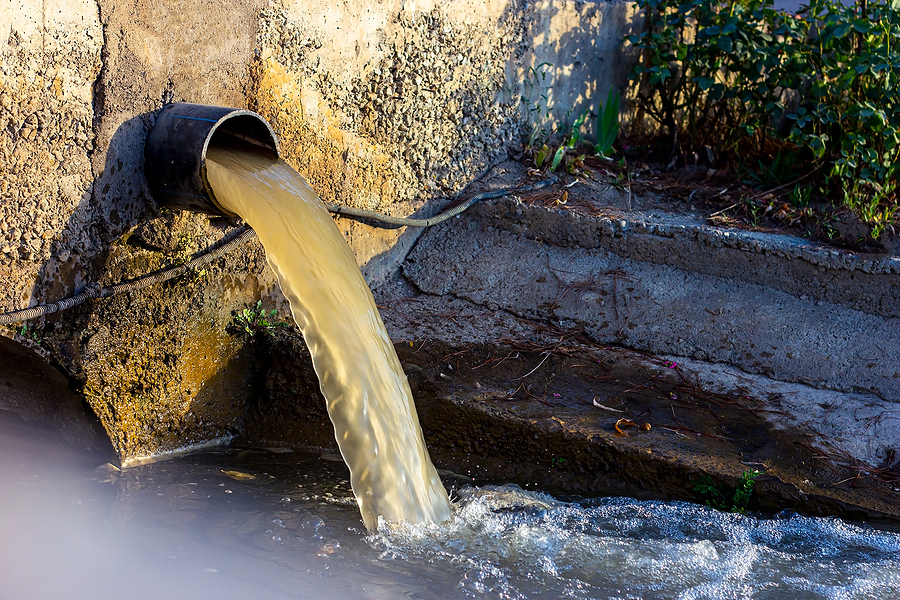
Public concern about sewage pollution in UK rivers and coastal waters has reached a tipping point. Media coverage, including Channel 4’s acclaimed docudrama Dirty Business, has helped to expose the scale, frequency and harm caused by raw sewage discharges.
For many, this is an environmental or political issue. But for UK businesses, it’s something more practical, and potentially more serious. Water is no longer just a utility. It’s a regulated resource, a cost centre, and an environmental responsibility.
As scrutiny increases, companies that ignore how they use, discharge, and pay for water may find themselves facing rising costs, tighter regulations, and reputational risk.
Why is there so much sewage in UK rivers?
To understand the business implications, you first need to understand the problem. Much of the UK relies on a combined sewer system, where rainwater and wastewater share the same pipes. During heavy rainfall, these systems can exceed capacity.
When they do, excess water, mixed with untreated sewage, is discharged into rivers and seas through what are known as combined sewer overflows (CSOs).
Historically, these overflows were seen as a necessary safety valve. But in recent years, their frequency has increased dramatically due to:
- Population growth and urban expansion
- Ageing infrastructure
- More intense and unpredictable rainfall patterns
- Limited investment in system upgrades
The result is a system under pressure, and a growing environmental crisis.
The Thames Tideway Tunnel: a step forward
One of the most significant responses to this issue is the Thames Tideway Tunnel, a major infrastructure project designed to reduce sewage overflows into the River Thames.
Often referred to as London’s ‘super sewer,’ the tunnel is expected to capture the vast majority of overflow discharges that would previously have entered the river untreated. This represents real progress, but it’s not a nationwide fix.
Outside London, many regions continue to rely on older infrastructure with similar limitations. Even within areas benefiting from major upgrades, the underlying challenges of capacity, demand, and system complexity remain.
For businesses, this means one thing: the broader water system is still under strain, and expectations around water use and discharge are only going to increase.
How does the ongoing sewage debate affect businesses?
It’s easy to assume that sewage pollution is solely the responsibility of water companies. In reality, businesses play a role, and are increasingly being held accountable.
1. Regulatory pressure is increasing
Environmental regulation in the UK is tightening, particularly around water usage, discharge, and pollution.
Businesses that discharge wastewater, especially in sectors like manufacturing, food production, and hospitality, must comply with strict guidelines. This often includes:
- Trade effluent consents
- Monitoring and reporting requirements
- Limits on contaminants and discharge volumes
Failure to comply can lead to significant penalties, enforcement action, and operational disruption. As public scrutiny grows, regulators are under pressure to act more decisively. That means enforcement is likely to become more proactive, not less.
2. Water costs are rising
Water pricing for businesses is no longer static or predictable. Since market deregulation in England in 2017, companies have been able to choose their water supplier, but that doesn’t automatically mean they’re getting the best deal.
In many cases, businesses are:
- Overpaying due to inefficient usage
- Being charged for inaccurate consumption data
- Missing opportunities to optimise tariffs
At the same time, the cost of treating wastewater, especially where discharge volumes are high, is becoming a more significant expense. Inefficiency is expensive, and many businesses don’t realise how much they’re losing.
3. ESG and sustainability expectations are growing
Environmental, Social, and Governance (ESG) considerations are no longer optional for many organisations.
Investors, clients, and stakeholders increasingly expect businesses to demonstrate:
- Responsible water usage
- Reduced environmental impact
- Transparent reporting on resource consumption
Water management is becoming a key part of this conversation. Companies that fail to take it seriously risk falling behind competitors who can demonstrate clear, measurable improvements in sustainability.
4. Reputational risk is real
In an era of social media and instant news, environmental missteps can quickly become public issues.
While large-scale pollution events often dominate headlines, smaller compliance failures or inefficiencies can still damage a company’s reputation, particularly in sectors where sustainability is a selling point.
Being associated with waste, inefficiency, or poor environmental practices is not a good look in 2026.
Do businesses contribute to water pollution?
Businesses themselves contribute to water pollution, though not always intentionally.
Business activities can contribute to water system strain in several ways:
- Excessive water consumption increasing overall demand
- Inefficient processes leading to higher wastewater volumes
- Poorly managed discharge introducing contaminants
- Leaks and unnoticed wastage
Even where a business is technically compliant, inefficiencies can still have a cumulative impact on the wider system. This is why regulators and industry bodies are increasingly focusing not just on compliance, but on optimisation and reduction.
What is a water audit and why does it matter?
A water audit is a detailed assessment of how a business uses water, where it is being wasted, and how costs and discharge can be reduced.
At a basic level, it answers questions such as:
- How much water are we actually using?
- Where is it being used, and where is it being wasted?
- Are we being billed accurately?
- Are there opportunities to reduce consumption or improve efficiency?
But a good water audit goes further. It provides:
- Data-driven insights into usage patterns
- Identification of leaks or inefficiencies
- Recommendations for cost savings
- Guidance on compliance and reporting
In the current climate, understanding and managing risk with regard to water is as important as making savings.
Can a water audit reduce compliance risk?
Yes, by giving businesses a clear picture of their water usage and discharge, audits help ensure that:
- Consumption levels align with permits and consents
- Discharge volumes are properly monitored
- Potential issues are identified before they become violations
In other words, a water audit allows businesses to move from a reactive approach (responding to problems) to a proactive one (preventing them). Given the direction of regulation, that shift is becoming increasingly important.
How water audits help reduce costs
While compliance and sustainability are important, cost reduction remains a key driver for most businesses.
Water audits can uncover savings in several ways:
- Identifying leaks that may have gone unnoticed
- Highlighting inefficient processes or equipment
- Ensuring accurate billing and tariff optimisation
- Reducing wastewater charges by lowering discharge volumes
- Advising on water recycling solutions and alternative water sources
For some organisations, the savings can be significant, particularly where water usage is high or poorly monitored.
Water supplier choice: an opportunity many businesses miss
Most businesses in England can choose their water supplier. However, switching suppliers without understanding your usage is a bit like changing energy providers without knowing your consumption.
A water audit provides the data needed to:
- Compare tariffs accurately
- Identify the most suitable supplier
- Negotiate better terms
Without that insight, businesses risk making decisions based on incomplete or misleading information.
The bigger picture: from crisis to opportunity
The UK’s sewage crisis is a serious issue, but it also represents a turning point.
For businesses, it’s a chance to:
- Take control of water usage
- Reduce costs and inefficiencies
- Strengthen compliance and reduce risk
- Demonstrate genuine commitment to sustainability
Those that act early will be in a stronger position, financially, operationally, and reputationally. Those that don’t may find themselves reacting to external pressures, rather than managing them.
Why now is the time to act
The conversation around sewage pollution in the UK is not going away. If anything, it’s intensifying, driven by public awareness, media exposure, and increasing regulatory scrutiny.
Large-scale infrastructure projects like the Thames Tideway Tunnel are an important step forward, but they don’t remove the responsibility from individual organisations.
Businesses still need to understand how they use water, how much they discharge, and where inefficiencies or risks may exist.
In a landscape shaped by rising costs, tighter compliance requirements, and growing ESG expectations, doing nothing can get expensive quickly.
The businesses that will come out ahead are those that take a proactive approach, reducing waste, improving efficiency, and gaining full visibility over their water usage before it becomes a problem.
Take control of your water usage
If you don’t have a clear, data-backed understanding of your water consumption, billing, and discharge, you’re potentially taking regulatory risks and losing money.
A professional water audit gives you:
- A clear picture of where your water is going
- Identification of leaks, inefficiencies, and unnecessary costs
- Insight into whether you’re being billed correctly
- Practical recommendations to reduce usage and improve performance
- Greater confidence in your compliance and reporting
This enables you to make informed decisions based on real data.
How H2o Building Services Can Help
H2o Building Services works with businesses across the UK to take control of their water usage, reduce unnecessary costs, and improve overall efficiency.
Our approach is commercially focused:
- Independent water audits tailored to your business
- Clear, actionable recommendations
- Support with supplier optimisation and cost reduction
- Ongoing insight to help you stay compliant and efficient
Whether you’re running a single commercial site or managing multiple locations, the goal is the same: make your water work at maximum efficiency for your business.
To talk to one of our water audit experts, get in touch with the team today.