News
Can Illegal Sewage Spills Prompt More Responsible Water Management?
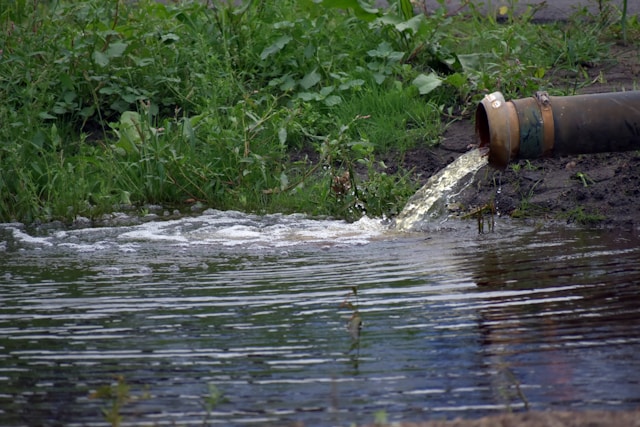
Water management has rarely been out of the headlines over the past few years, with concerns about river pollution, ageing infrastructure and investment in the UK’s water network continuing to dominate public debate.
New analysis by campaigner Professor Peter Hammond suggests that more than 80 per cent of sewage spills into England’s waterways over the past two years may have occurred during what could be classed as ‘normal’ weather conditions.
This raises questions over whether many of those discharges complied with environmental permits, BBC News reports. The findings are based on a previously undisclosed definition of ‘heavy rain’ contained within court documents relating to an earlier prosecution.
While the Environment Agency and Water UK have challenged the analysis and stressed that rainfall thresholds vary by location and that legal assessments depend on site-specific conditions, the investigation has renewed public scrutiny of the UK’s water infrastructure.
For most businesses, this story may seem far removed from day-to-day operations. However, it reinforces an important principle that applies across every sector: effective water management relies on good data, proactive monitoring and timely action.
Water is receiving more attention than ever
Public expectations around environmental performance have changed dramatically. Customers, investors, regulators and local communities increasingly expect organisations to demonstrate that they are managing natural resources responsibly.
Although the current debate focuses on the management of public wastewater infrastructure, businesses are also facing greater pressure to improve efficiency, reduce waste and support broader sustainability goals.
Organisations that understand their water use today are likely to be in a much stronger position as environmental expectations continue to evolve.
Making good water management decisions
One of the key themes running through the BBC investigation is the importance of accurate monitoring. Whether assessing rainfall, sewage discharges or compliance with permit conditions, reliable information is essential.
The same applies within commercial premises. Many organisations still rely almost entirely on their quarterly or monthly water bills to understand consumption. Unfortunately, an invoice only provides a summary of how much water has been used. It does not explain:
- Where water is being consumed
- When demand is highest
- Whether usage is increasing over time
- If equipment is operating efficiently
- Whether hidden leaks are developing
Without detailed insight, businesses are often reacting to problems rather than preventing them.
Understanding water consumption creates opportunities
Every commercial property has its own pattern of water use. A manufacturing plant will consume water very differently from a hotel, hospital, office building or distribution centre.
By carrying out detailed water consumption analysis, businesses can begin to identify:
- Daily and weekly usage patterns
- Unexpected overnight consumption
- Seasonal fluctuations
- Water-intensive processes
- Unusual changes in demand
- Areas where efficiency could be improved
This information allows facilities managers to make evidence-based decisions instead of relying on assumptions.
Why water audits amount to more than the utility bill
Knowing how much water you use is useful. Understanding why you use it is even more valuable.
A professional water audit provides a detailed assessment of both water consumption and the systems responsible for it.
This may include reviewing:
- Meter performance
- Internal water infrastructure
- Water bills
- Drainage charges
- Operational processes
- Equipment efficiency
- Potential leak risks
- Opportunities to reduce consumption
Many businesses discover that they are paying for unnecessary water use without even realising it. In many cases, relatively straightforward improvements can deliver ongoing savings year after year.
Water consumption problems often remain hidden
One reason water costs gradually increase is that many issues develop slowly. Unlike a burst pipe, smaller problems may attract little attention.
Examples include:
- Underground leaks
- Faulty valves
- Continuously running toilets
- Cooling equipment operating inefficiently
- Worn seals
- Ageing pipework
Because these issues often develop gradually, they may only become apparent once water bills have risen significantly. Early identification helps businesses avoid unnecessary expenditure while reducing waste.
Monitoring technology makes water management more proactive
Modern technology has transformed the way businesses manage utilities. Automated meter reading (AMR) and water flow data logging provide continuous visibility over water use throughout the day.
Instead of waiting weeks for a bill to arrive, businesses can identify unusual activity much sooner.
Real-time monitoring helps detect:
- Continuous flow suggesting leaks
- Unexpected overnight usage
- Sudden increases in demand
- Equipment operating outside expected parameters
- Changing consumption trends
Responding quickly to these warning signs often prevents much larger operational issues developing.
Responsible water use supports environmental goals
The current public debate around sewage spills highlights growing concern about protecting rivers, lakes and coastal waters. While individual businesses are not responsible for public sewer networks, they can still play an important role in protecting water resources.
Reducing unnecessary water consumption helps to:
- Lower demand on local water supplies
- Reduce wastewater volumes
- Improve resource efficiency
- Support environmental commitments
- Demonstrate responsible corporate behaviour
Many organisations now include water efficiency within wider Environmental, Social and Governance (ESG) strategies because responsible resource management is increasingly viewed as good business practice.
Preparing for future challenges
The UK’s water sector continues to face significant long-term pressures. Population growth, climate change, ageing infrastructure and increasing demand all point towards a future where water becomes an even more valuable resource.
Businesses that invest in better water management today will be better prepared for tomorrow.
Long-term planning may include:
- Continuous consumption monitoring
- Regular water audits
- Leak detection programmes
- Water efficiency improvements
- Water recycling opportunities
- Rainwater harvesting where appropriate
- Strategic water management planning
These measures not only reduce operating costs but also improve resilience against future challenges.
Taking control of water management
The recent BBC investigation demonstrates how important transparency, monitoring and accountability have become within the wider water sector.
Although the debate centres on public wastewater infrastructure and regulatory enforcement, the underlying message is equally relevant for commercial organisations: better information leads to better decisions.
Businesses that actively monitor water use, investigate inefficiencies and adopt a proactive approach to water management are often able to reduce costs, improve operational performance and strengthen their environmental credentials.