News
Will New Investment In UK Water Infrastructure Raise Bills?
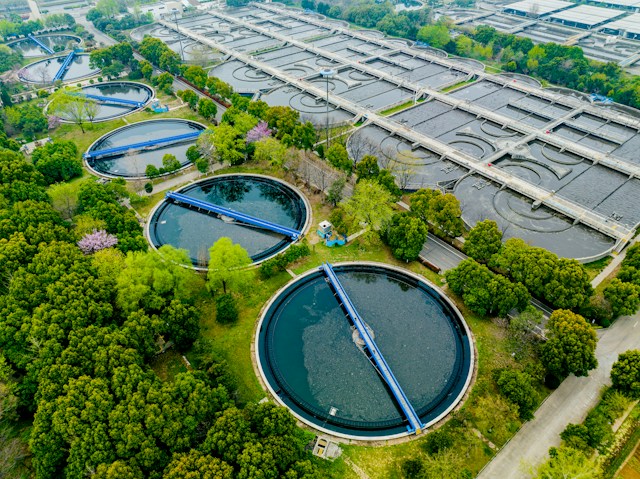
The UK water sector faces a complex challenge: maintaining reliable supplies, improving water quality and supporting economic growth while managing increasing pressure on water resources.
A recent report by The Chemical Engineer highlights Ofwat’s approval process for a £3.4 billion funding package covering water infrastructure projects, including improvements to remove PFAS contamination and upgrades to support data centres in East Manchester.
The investment forms part of a wider programme intended to improve water services, protect the environment and accommodate future demand. For businesses, these developments underline why effective water management deserves greater attention.
As demand grows and infrastructure requirements change, understanding consumption and expenditure can help organisations control costs, reduce waste and plan more effectively.
Why is the UK investing in water infrastructure?
Ofwat’s funding package covers projects proposed by 13 water companies. According to the regulator, £1.2 billion is intended to safeguard services and assets, while £477 million will support growth, including housing and data centre developments.
A further £34 million will help address PFAS, commonly known as forever chemicals, in drinking water. The proposals are subject to regulatory processes and the relevant decisions on individual schemes.
The investment comes against a backdrop of concerns about drought, climate change, population growth and rising demand from energy-intensive industries.
Ageing infrastructure also requires ongoing attention. Water networks need investment to maintain their condition, improve reliability and meet changing standards.
Without adequate planning, pressure on existing systems can make it harder to accommodate new developments while maintaining services for established communities and businesses.
Data centres illustrate the challenge. These facilities support cloud computing, digital services and artificial intelligence, but their development can bring additional demands on local infrastructure.
Cooling requirements vary according to the technology used, yet water availability can be an important consideration when planning new facilities.
Meanwhile, improving treatment processes to address contaminants such as PFAS highlights the need to protect drinking water quality as environmental standards and expectations evolve.
Taken together, these projects demonstrate that water infrastructure must respond to several competing priorities: public health, environmental protection, economic development and the reliable delivery of essential services.
What could this mean for commercial water costs?
Infrastructure improvements require investment, and the way those costs are funded can affect water customers over time.
Although the precise implications will depend on regulatory decisions and individual circumstances, businesses should avoid assuming that water expenditure will remain static.
Water bills are influenced by several factors, including consumption, water and wastewater tariffs, standing charges and the terms of a business’s supply arrangements.
The effect of infrastructure spending on individual bills will depend on how investment is funded and incorporated into charges.
For businesses already managing rising operational expenses, even relatively small increases in recurring overheads can make a difference over a financial year.
Organisations with several premises or high water consumption may have particular reasons to examine their expenditure carefully. This makes it worthwhile to review commercial water costs regularly rather than treating them as an unavoidable overhead.
Checking bills for accuracy, examining consumption patterns and identifying unnecessary usage can help businesses understand what they are paying for and where savings might be possible.
Why water efficiency matters as demand grows
Expanding infrastructure is important, but increasing capacity alone cannot remove the need to use water responsibly. As housing, industry and digital infrastructure develop, competition for water resources may become more significant in some locations.
Businesses that use large volumes of water, or depend on it for essential processes, should consider how their operations might be affected by changing availability.
Improving efficiency can help organisations manage this risk while reducing waste. Businesses can start by examining how water is used across their premises and identifying opportunities to reduce unnecessary consumption.
This might involve reviewing cleaning procedures, improving equipment efficiency, adjusting processes or reconsidering how water is used for cooling and other operational requirements.
The first step is understanding existing usage. Without reliable information, it can be difficult to distinguish essential consumption from avoidable waste or determine whether a particular process is using more water than necessary.
Commercial water consumption analysis can help establish where water is being used, highlight potential inefficiencies and identify practical improvements.
The objective is not simply to reduce water use indiscriminately. It is to identify where consumption can be reduced without compromising essential business activities, product quality or workplace hygiene.
Could better monitoring help businesses prepare for the future?
Water monitoring can provide valuable insight into how consumption changes over time. For example, Automated Meter Reading and flow logging can help businesses understand usage patterns and identify unexpected increases that need investigating.
This information is useful when setting realistic efficiency targets, measuring the impact of changes and identifying potential problems before they become more expensive.
Monitoring can also help businesses understand how changes to their operations affect demand. An increase in production, extended opening hours or new equipment may alter consumption, making it important to review usage against the needs of the business.
Why should businesses review their water bills?
Water efficiency is only one part of effective commercial water management. Organisations should also ensure they are paying the correct amount for the services they receive.
Commercial water bills can be complex, particularly for businesses with multiple premises, changing occupancy or unusual consumption requirements. Errors in billing information, meter readings or applicable charges can be difficult to identify without a proper review.
Water bill validation involves checking charges and consumption information against the business’s circumstances and available records. Where discrepancies arise, further investigation may establish whether corrections or adjustments are appropriate.
Taking a proactive approach to water management
Ofwat’s proposed funding package reflects the scale of the work required to support reliable water supplies, improve treatment and accommodate future development.
Businesses cannot control these wider infrastructure decisions, but they can take responsibility for understanding their own water use and expenditure.
Regular bill validation, consumption monitoring, efficiency reviews and appropriate investment in water-saving measures can help organisations make better-informed decisions.