News
Firefighting Water Concerns Highlight Need For Greater Resilience
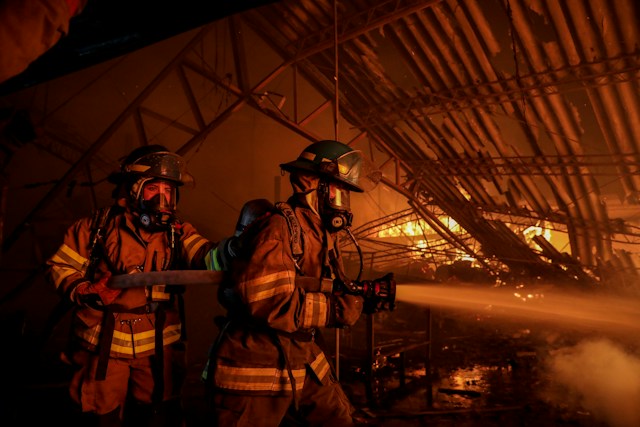
Water availability is something businesses can easily take for granted. Turn on a tap, flush a toilet or use water as part of an industrial process, and the expectation is that a reliable supply will be there when it is needed.
However, new findings from the National Fire Chiefs Council (NFCC) highlight just how important water resilience is, and what can happen when the infrastructure supplying water comes under pressure.
The NFCC reports that 81 per cent of responding fire and rescue services have changed their planned response arrangements in areas where there are known difficulties accessing sufficient firefighting water.
More than half have also introduced additional measures following significant water supply outages. The findings raise important questions not only for emergency services, but for businesses and other organisations that rely on dependable water supplies every day.
Why are firefighting water supplies under pressure?
The NFCC’s new position statement points to several pressures affecting the water network, including climate change, drought, population growth and housing development.
At the same time, new types of infrastructure, including data centres and battery energy storage systems, are creating additional demands on water networks.
The NFCC is calling for firefighting water to be treated as a critical public safety requirement, with better planning, standards and access to information.
The issue is not simply whether there is enough water in the wider system. Local infrastructure, hydrant capacity, water pressure and network resilience can all affect whether sufficient water is available at the point it is required.
The impact was demonstrated during the Stourbridge wildfires this summer. West Midlands Fire Service experienced water pressure problems over several days, with a water carrier taking almost 40 minutes to replenish at one point because of reduced pressure.
These examples demonstrate that water resilience is not just about the overall volume of water available. It is also about the condition and capacity of the infrastructure that delivers it, and how effectively organisations can respond when normal supplies are disrupted.
What does this mean for businesses?
Businesses should not assume that water resilience is solely an issue for water companies or emergency services. A disruption to supply can affect toilets and welfare facilities, kitchens, cleaning, manufacturing, cooling systems and other water-dependent operations.
For organisations with particularly high water consumption, even relatively short interruptions can have operational and financial consequences.
There is also a wider lesson here: knowing how much water your business uses, where it is being used and whether there are avoidable losses can help improve resilience.
A commercial water audit can provide a clearer picture of consumption and identify areas where water is being wasted or used inefficiently. This can be particularly valuable for larger premises where water is being consumed across multiple departments or processes.
Without detailed monitoring, an unexplained increase in usage can easily be overlooked because the overall figure may still appear relatively normal.
Could reducing water use improve resilience?
Using less water does not solve wider infrastructure problems, but reducing unnecessary consumption can form part of a more resilient approach to water management.
Businesses can start by looking for straightforward sources of avoidable consumption, such as leaking toilets and taps, inefficient equipment, excessive cleaning water or processes that use more water than necessary.
More detailed monitoring can also reveal unusual patterns. Automated Meter Reading and water flow data logging, for example, can help businesses understand consumption at different times and identify unexpected increases that could indicate a leak or other problem.
Finding a leak quickly matters for more than the water bill. A hidden leak can continue wasting water for weeks or months, while potentially causing damage to buildings, equipment or stock.
There may also be opportunities to rethink how water is used in particular processes. Depending on the premises and business activities, rainwater harvesting, water recycling or other efficiency measures could reduce reliance on mains supplies.
Water efficiency is also about cost control
The NFCC’s findings highlight the increasing cost pressures associated with maintaining water infrastructure. Its evidence shows that hydrant installation and maintenance charges increased by an average of 85 per cent between 2014 and 2024.
For businesses, this is another reason to take a closer look at commercial water costs rather than treating the water bill as an unavoidable overhead. A detailed review can look beyond simply asking whether a business is using too much water.
It can consider whether it is being charged correctly, whether consumption is consistent with operational activity and whether there are practical opportunities to reduce demand.
What can businesses do now?
There are several practical steps organisations can take to understand and manage their water use:
- Monitor consumption: Look beyond the total on the water bill and understand how much water is being used and when.
- Check for leaks: Investigate unexplained increases in consumption promptly.
- Review water-intensive processes: Consider whether equipment or processes could operate more efficiently.
- Validate bills: Check that charges and consumption information accurately reflect the business’s circumstances.
- Consider alternative supplies: Where appropriate, rainwater harvesting or water recycling may reduce reliance on mains water.
- Review water management regularly: Water efficiency should be an ongoing process rather than a one-off exercise.
For larger organisations, it can also be useful to consider water as part of wider business continuity planning.
Which activities would be affected if supply was interrupted? Are there processes that could be temporarily reduced or changed? Does the business understand where its greatest water dependencies lie?
These questions can help turn water management from a reactive exercise into part of a broader resilience strategy.
A changing water landscape
The NFCC’s warning provides a reminder that water resilience is becoming an increasingly important consideration across the UK.
With pressure on water resources and infrastructure likely to remain an important issue, businesses that understand their water use will be better placed to manage costs, reduce waste and plan for a more water-conscious future.
For organisations looking to understand their commercial water consumption, identify potential savings or improve water efficiency, professional water management consultants can provide a useful starting point.