News
Tougher Penalties For Water Companies: A Raised Bar For Businesses?
The UK’s water sector is facing a significant shift in how environmental breaches are dealt with. In July 2026, the government announced new financial penalties of up to £500,000 for water companies that disregard rules designed to protect the environment.
This gives the Environment Agency greater powers to take faster action against frequent, minor and moderate offences. The changes form part of a wider programme of reform intended to improve environmental performance and strengthen regulation.
The ultimate aim is to encourage greater investment in the UK’s water infrastructure. The government estimates that the new measures could initially cost the water sector between £50 million and £67 million a year.
Water companies will also be unable to pass these financial penalties on to customers through their bills. For businesses outside the water industry, this may seem like a matter for regulators and utility companies. But there is a wider lesson here.
As scrutiny of water use and environmental performance increases, responsible water management is becoming increasingly important for businesses of every kind.
Why are water companies facing tougher enforcement?
Previously, the Environment Agency faced significant hurdles when attempting to impose financial penalties for certain environmental breaches because it had to establish an offence to the same high standard required in criminal proceedings.
Under the new approach, the regulator can use the lower civil standard of proof for specified financial penalties. This should allow action to be taken more quickly and make enforcement more proportionate to the offence.
The government’s wider reforms include stronger regulatory powers, no-notice inspections and more rigorous checks on water company assets.
The message is clear: water management is becoming an area where monitoring, accountability and preventative action matter more than ever.
What can businesses take from this?
Most commercial organisations will not face the same regulatory requirements as water companies. However, businesses still have a role to play in reducing water consumption, preventing waste and managing wastewater responsibly.
There is also a straightforward commercial reason for doing so. Water that is wasted still has to be paid for. A leak, inefficient process or inaccurate bill can quietly increase operating costs for months or even years.
Meanwhile, unnecessary consumption contributes to pressure on an already stretched resource. Taking control of water use therefore makes both financial and environmental sense.
Don’t wait until something goes wrong
A recurring theme behind stronger environmental enforcement is the importance of identifying problems before they become serious. Businesses can apply the same principle to their own water systems.
Instead of waiting for an unexpectedly high bill, visible leak or equipment failure, organisations can monitor consumption continuously and investigate unusual patterns as soon as they appear.
Automated Meter Reading (AMR) and water flow data logging can provide a much more detailed picture of what is happening across a commercial site.
For example, if a building is normally unoccupied overnight but continues to show substantial water flow, this could indicate a leak or equipment fault. Identifying that issue early could prevent a much larger loss.
Water audits identify practical improvements
Data is valuable, but figures alone do not necessarily explain what is causing excessive consumption. That is where a professional water audit can help.
A commercial water audit examines how water enters, moves through and leaves a business premises. Depending on the organisation, this may involve assessing:
- Water meters and supply arrangements
- Plumbing and pipework
- Production processes
- Cleaning systems
- Toilets and washroom facilities
- Cooling systems
- External water use
- Wastewater
- Potential leakage
The objective is to identify where water is being consumed unnecessarily and what can realistically be done about it. For businesses, this creates a practical route from measurement to action.
Leak detection can deliver immediate benefits
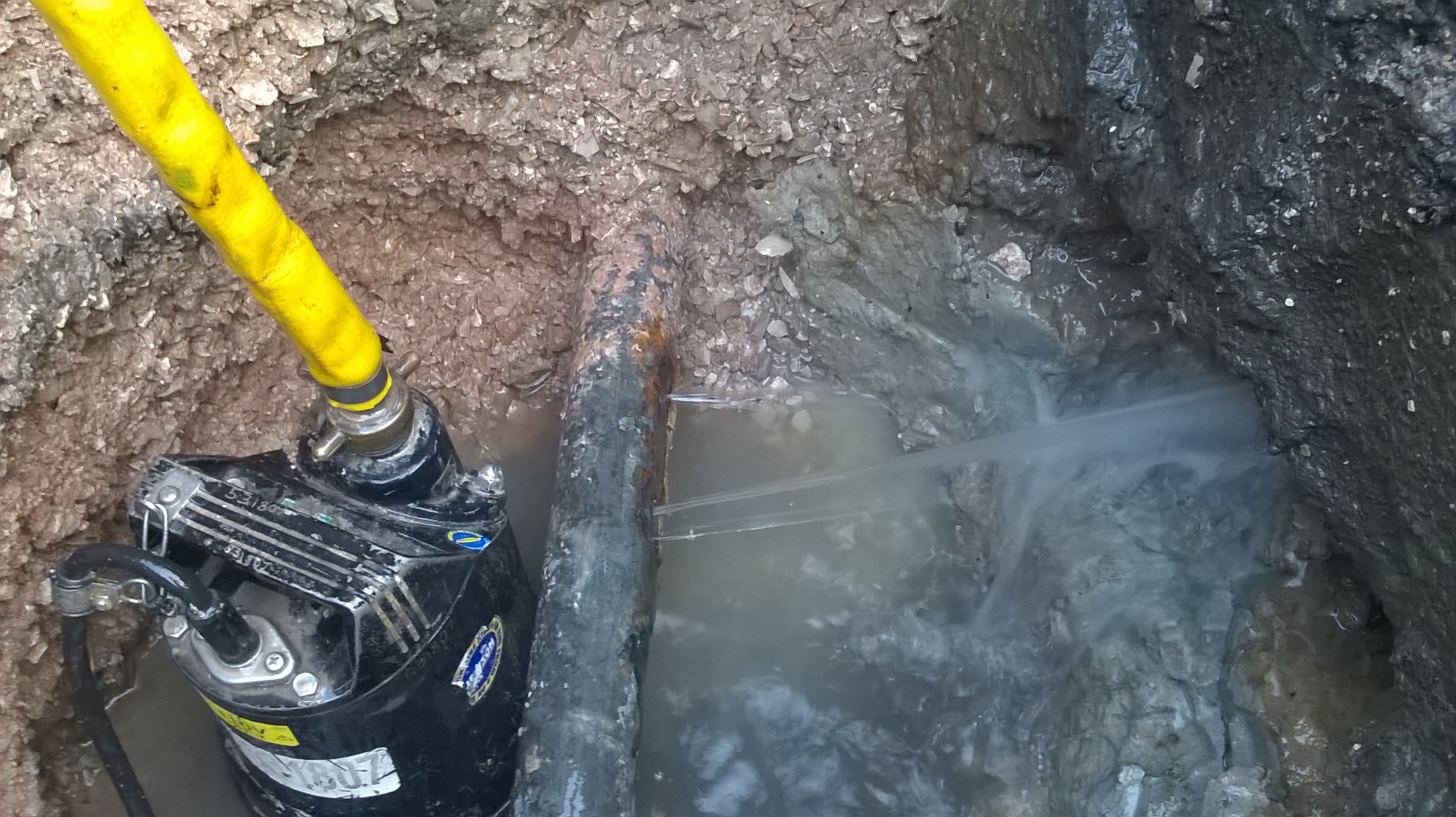
Leaks are one of the clearest examples of why preventative water management matters. A visible burst pipe will usually receive immediate attention. Smaller leaks are much easier to overlook.
An underground leak, faulty valve or continuously running toilet may waste water for a considerable period before anyone notices. Professional water leak detection can help locate problems that are not immediately visible.
Repairing a leak can deliver several benefits at once:
- Lower water consumption
- Reduced utility costs
- Less risk of property damage
- Fewer maintenance problems
- Reduced pressure on local water resources
For a business, preventing water loss is often considerably cheaper than continuing to pay for it.
Wastewater deserves equal attention
The government’s focus on environmental performance also highlights the importance of considering what happens after water has been used.
For businesses producing trade effluent or significant wastewater, responsible management should include understanding how much wastewater is generated and how it is discharged.
Reducing wastewater at source can often be preferable to dealing with unnecessary volumes later. Businesses may be able to achieve this through process improvements, water recycling or changes to equipment and operating procedures.
In some circumstances, water recycling can reduce demand for fresh mains water while also lowering the amount of wastewater produced.
Stronger regulation reinforces the case for good data
The government’s reforms are also expected to encourage better asset management and data collection within the water sector.
The Environment Agency is investing in additional inspections and developing systems to make better use of regulatory data, including near-real-time monitoring information. The principle is relevant to commercial water users too.
Good information makes it easier to:
- Spot problems
- Establish trends
- Demonstrate improvements
- Plan investment
- Identify inefficiencies
- Support sustainability reporting
In other words, data turns water management from a reactive exercise into an ongoing management process.
Responsible management starts before enforcement
The latest reforms are aimed at water companies, but they demonstrate a wider shift in expectations around environmental responsibility. Businesses do not need to wait for regulation to force them to examine their water use.
Taking action voluntarily can reduce costs, minimise waste and improve resilience while demonstrating that responsible resource management is embedded in the organisation’s operations.