News
Why Water Efficiency Is Becoming A Business Priority In The UK
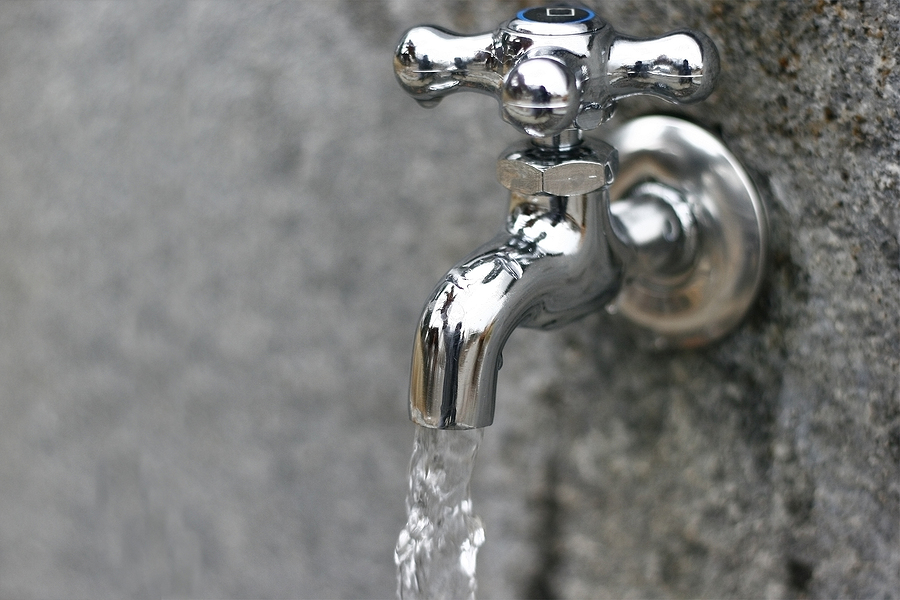
Water efficiency has moved rapidly up the agenda for businesses, water companies and regulators alike.
As the UK faces growing pressure on water resources, organisations are being encouraged to play a greater role in reducing demand and improving long-term resilience.
This shift has been highlighted by Ofwat’s recent consultation on proposed changes to charging rules designed to promote more efficient water use across the sector.
The regulator is exploring whether existing charging structures provide strong enough incentives for customers to reduce consumption and whether greater flexibility is needed to encourage more sustainable water management practices.
While the consultation is primarily aimed at the water industry, the message for businesses is clear: water efficiency is no longer simply about reducing utility bills. It is becoming an important part of environmental responsibility and operational resilience.
Why is water efficiency receiving more attention?
The UK water sector faces a number of significant challenges. Population growth continues to increase demand for water, while climate change is creating more frequent periods of drought, extreme weather and seasonal water shortages.
At the same time, environmental protections require rivers, reservoirs and groundwater sources to be managed more sustainably. The challenge is straightforward. Demand for water is increasing while available resources are becoming more constrained.
As a result, regulators and water companies are increasingly focusing on demand management rather than relying solely on new infrastructure projects.
Reducing water consumption is often faster, more cost-effective and more environmentally sustainable than developing entirely new water supply schemes.
What is Ofwat proposing?
Ofwat’s consultation focuses on potential changes to the Wholesale Charging Rules and Charges Scheme Rules. One of the key issues under consideration is whether current tariff structures provide sufficient incentives for customers to use water efficiently.
In some cases, existing charging arrangements may weaken the link between water usage and the costs experienced by customers. Where consumption levels have little impact on bills, there is naturally less motivation to identify inefficiencies or reduce unnecessary usage.
The regulator is therefore examining how charging structures could better support water efficiency while remaining fair, transparent and affordable.
Although the outcome of the consultation is yet to be determined, it reflects a wider trend towards placing greater value on efficient water use across all sectors.
What could Ofwat’s changes mean for businesses?
As water scarcity becomes a more prominent issue, businesses may increasingly find themselves operating within a framework that rewards efficient water management and encourages reductions in consumption.
Organisations that already understand their water usage and have efficiency measures in place are likely to be better positioned to adapt to future changes.
Those that have little visibility over their water consumption may face missed opportunities for savings and operational improvements. This makes now an ideal time to review how water is being used across sites, facilities and operational processes.
Understanding water consumption is the first step
One of the biggest challenges businesses face is that they often do not have detailed visibility of their water usage. Many organisations only review consumption when a water bill arrives, making it difficult to identify unusual patterns or emerging problems.
Modern monitoring technologies can provide a much clearer picture. AMR (Automatic Meter Reading) systems and water flow data logging allow organisations to track water usage in near real time. This data can reveal:
- Overnight consumption
- Unexpected spikes in usage
- Seasonal trends
- Process inefficiencies
- Potential leaks
- High-consumption assets
With accurate information available, businesses can make informed decisions about where improvements can be made.
Hidden leaks can have a major impact
Water leaks remain one of the most common causes of unnecessary consumption. Many commercial leaks occur underground or within complex building systems where they may go unnoticed for months.
Even relatively small leaks can result in significant water loss over time, increasing costs and placing unnecessary pressure on local water resources.
Professional water leak detection services can identify hidden issues before they become major problems. Combined with prompt repairs, leak management programmes often deliver immediate water savings and help organisations avoid future disruption.
For businesses looking to improve water efficiency, leak detection is often one of the quickest and most effective measures available.
Water audits reveal opportunities for savings
A comprehensive water audit provides a detailed assessment of how water is being used across a site or organisation.
The process examines water consumption patterns, operational processes, infrastructure performance and billing data to identify opportunities for improvement.
Water audits commonly uncover:
- Inefficient equipment
- Excessive water consumption
- Incorrect billing
- Undetected leaks
- Opportunities for recycling or reuse
- Process improvements
In many cases, businesses discover savings opportunities that require little or no capital investment.
The value of a water audit extends beyond cost reduction. It also provides a foundation for long-term water management planning and sustainability initiatives.
Water recycling and alternative water sources
As water efficiency becomes increasingly important, many organisations are exploring ways to reduce reliance on mains water supplies.
Commercial water recycling systems allow water used in certain processes to be treated and reused rather than discharged. Similarly, rainwater harvesting systems can capture rainfall for non-potable applications such as cleaning, irrigation and toilet flushing.
Water stewardship is becoming a competitive advantage
Increasingly, customers, investors and stakeholders expect organisations to demonstrate responsible environmental practices.
Water stewardship is becoming an important component of Environmental, Social and Governance (ESG) strategies and sustainability reporting.
A strong water stewardship programme typically includes:
- Water consumption monitoring
- Water efficiency improvements
- Water footprint assessments
- Wastewater management
- Leak reduction initiatives
- Long-term water strategy planning
Businesses that take a proactive approach to water management often benefit from stronger environmental credentials and improved stakeholder confidence.
Importantly, water stewardship also helps organisations prepare for future regulatory changes and resource constraints.
Preparing for a more water-efficient future
Regardless of the outcome of Ofwat’s consultation, the direction of travel is clear. The UK water sector is placing increasing emphasis on reducing demand, improving efficiency and strengthening resilience.
Organisations that invest in understanding and managing their water use today are likely to benefit from lower costs, reduced environmental impact and improved operational resilience in the years ahead.
If you’d like to find out more about how H2O Building Services can help your organisation become more water efficient, please get in touch today.